SANDY HOOK MEMORIAL PROPOSAL
Newtown, Connecticut
With foreground design agency, 2018
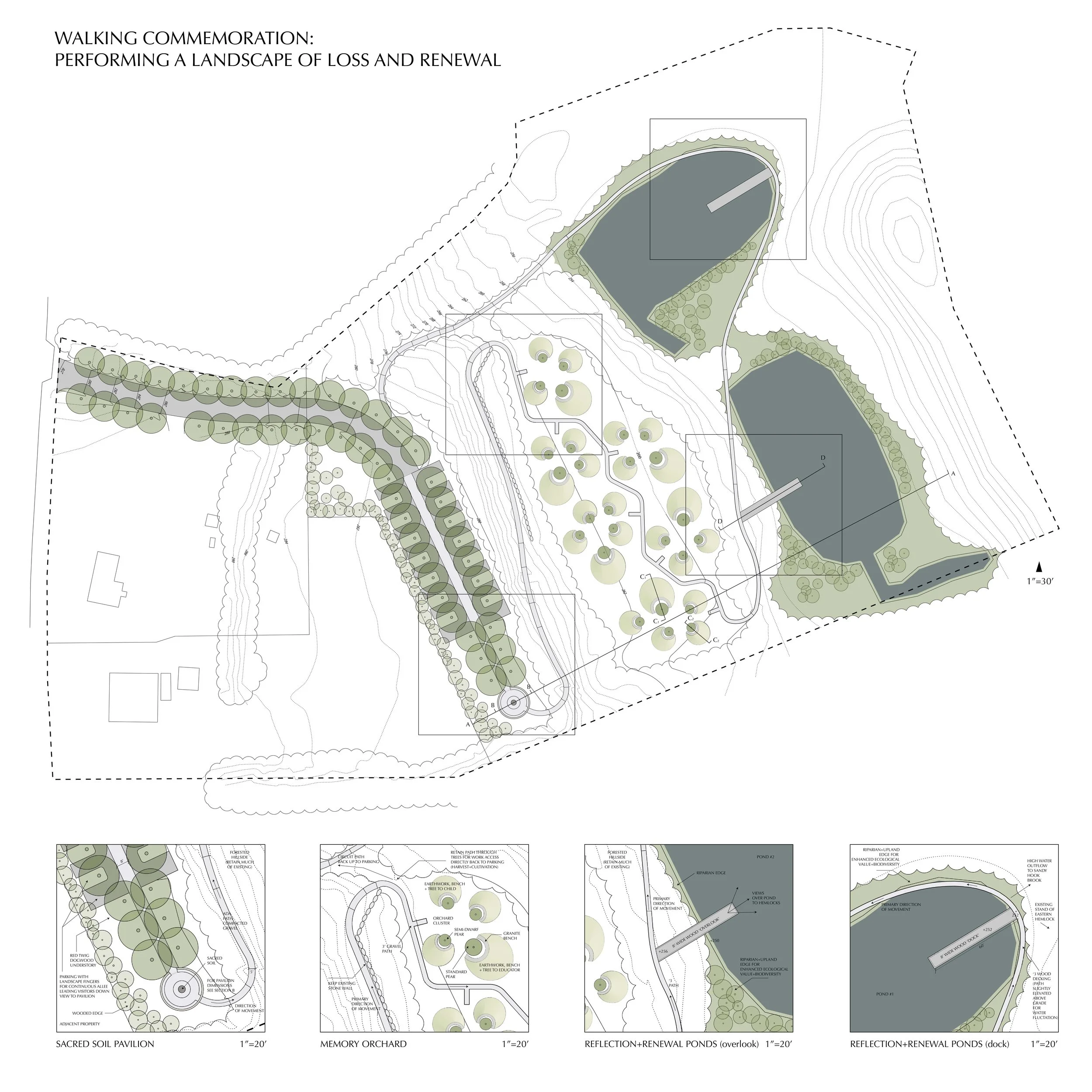
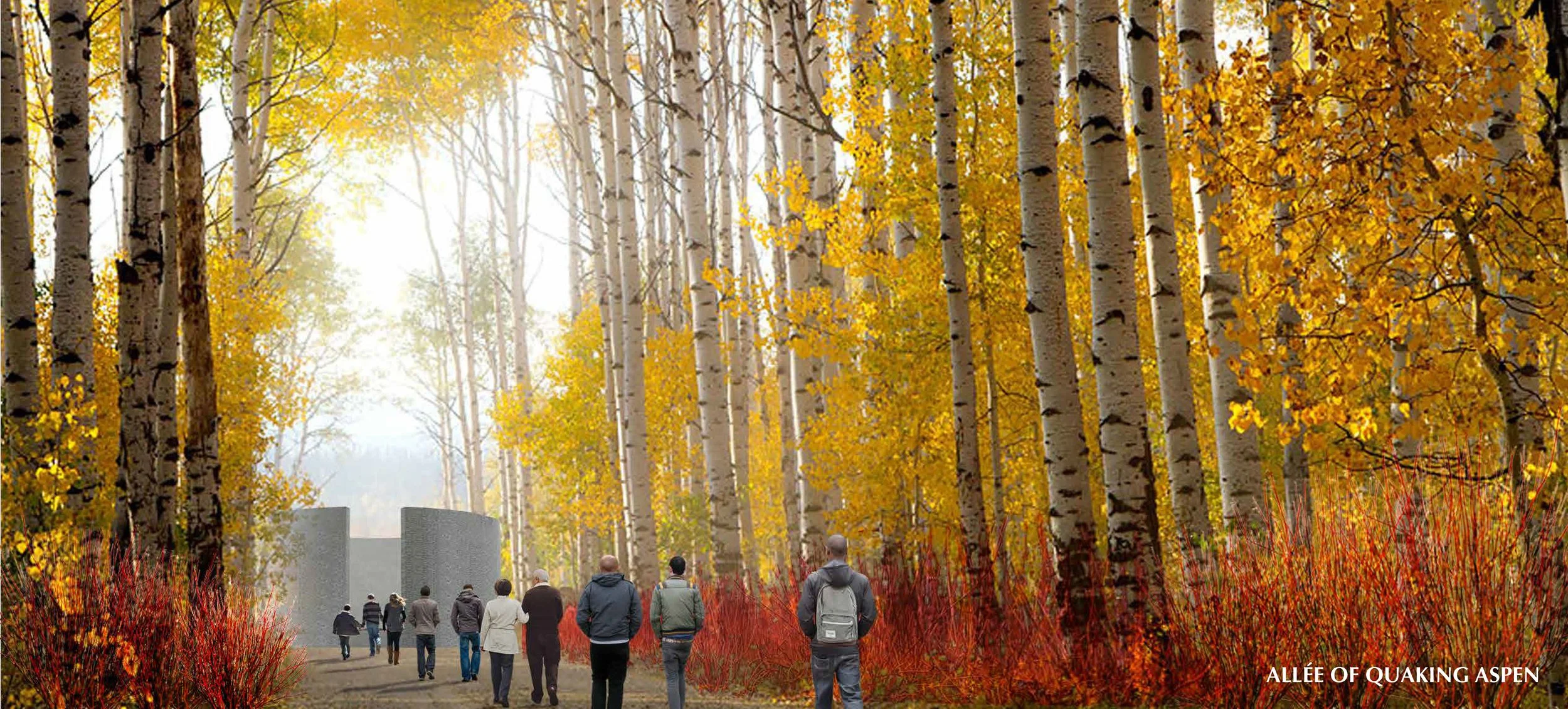
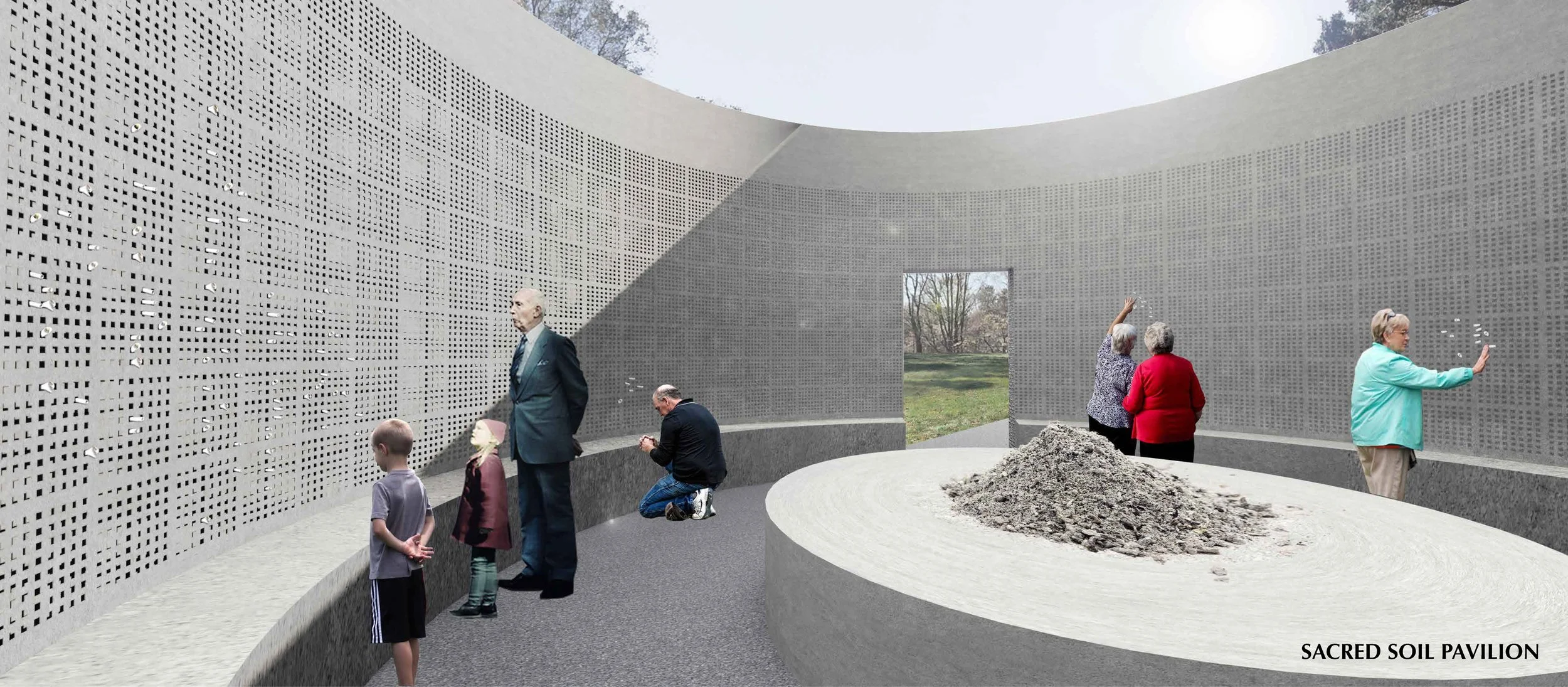
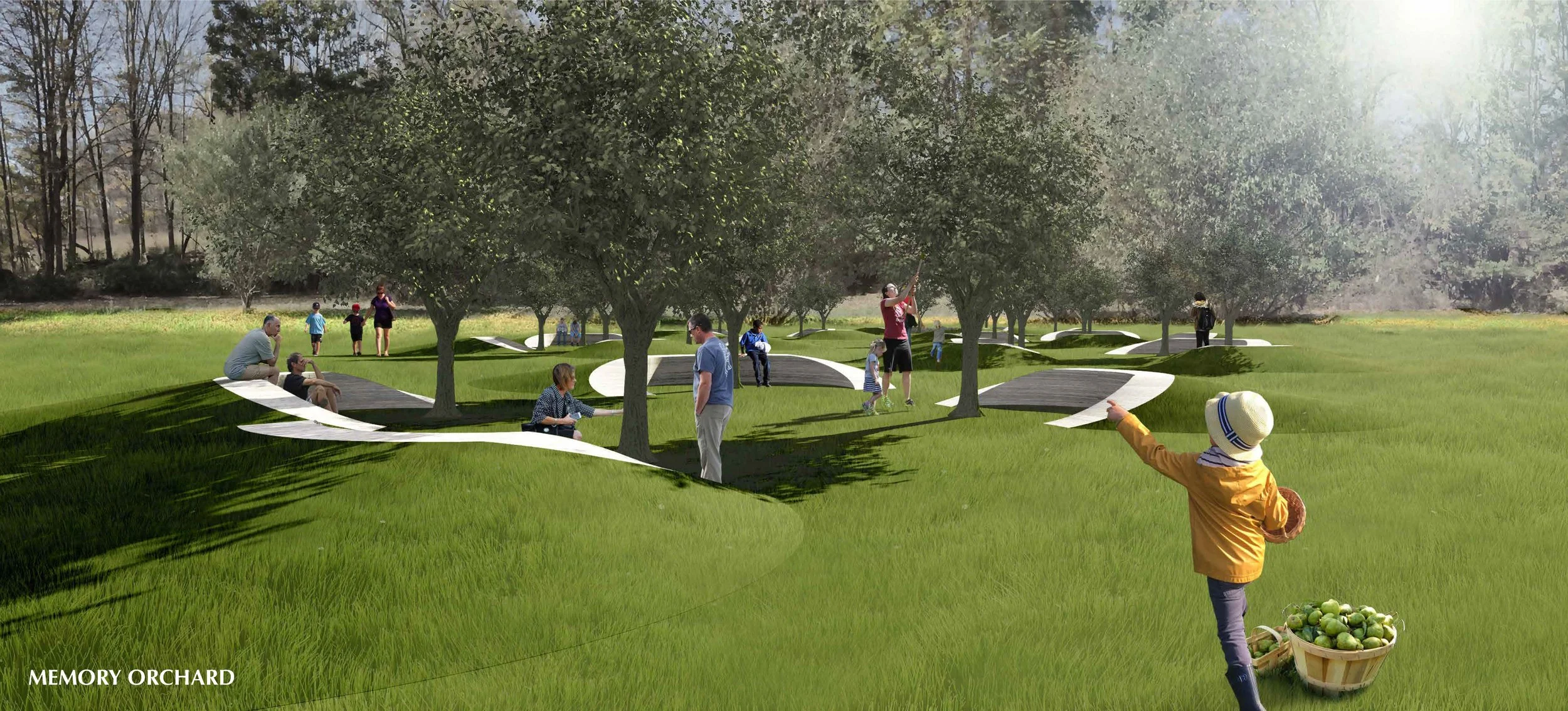
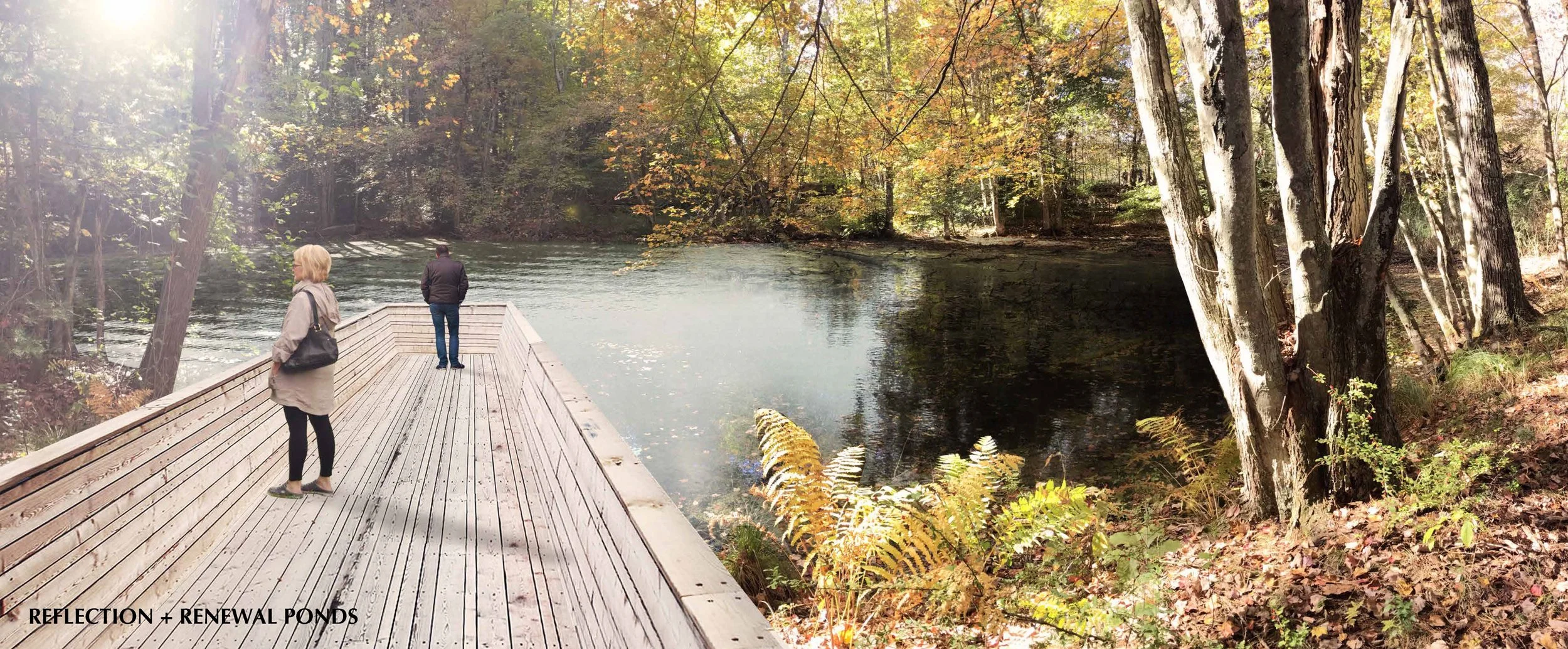
This proposal for the Sandy Hook Memorial reimagines the memorial not as a permanent object, but as an evolving commemorative landscape that accommodates both linear and cyclical change as part of the ongoing processes of grief, mourning, reflection, and renewal. Rather than centering remembrance in a single monument, the design transforms the entire site into a sequence of immersive landscape experiences encountered through movement. Guided by ecological processes and seasonal change, the memorial continually renews itself, reinforcing remembrance through living systems rather than static form.
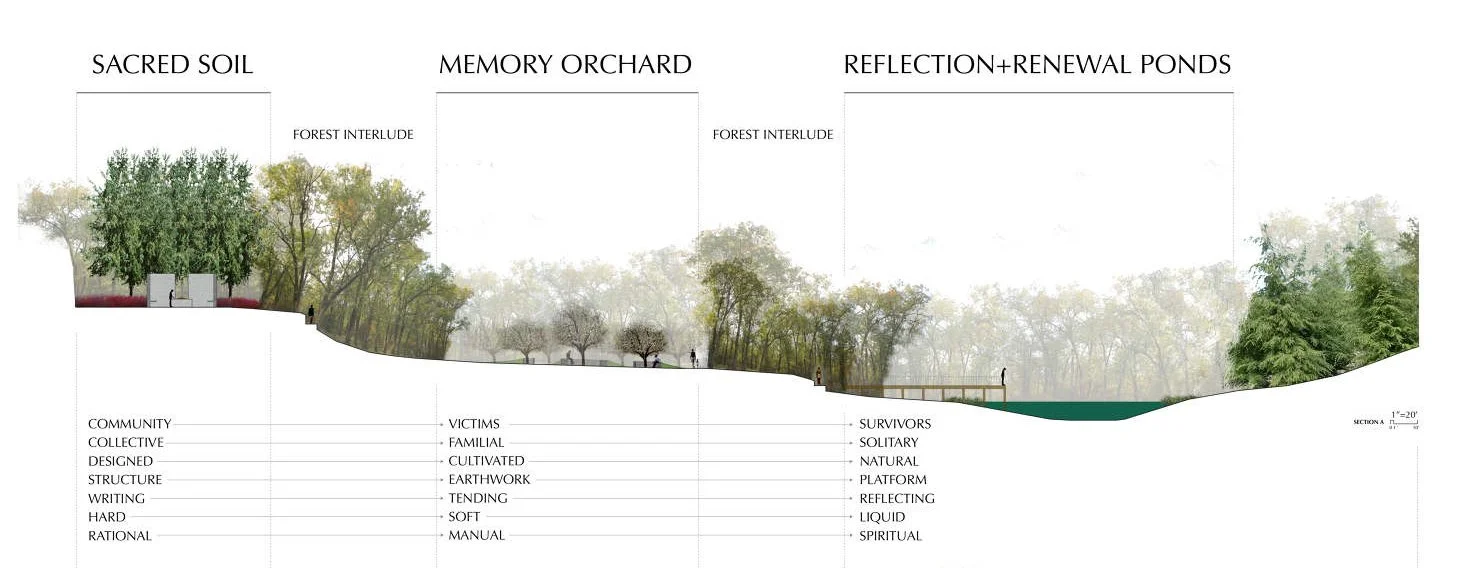
The design is organized around three interconnected landscape experiences—Sacred Soil, Memory Orchard, and Reflection+Renewal Ponds—which together create a narrative of loss, resilience, and hope. These episodes respectively transition from spaces dedicated to the community, the victims, and the survivors, while moving from collective to familial to individual experiences and guiding visitors through the rational, physical, and spiritual dimensions of remembrance. By integrating ritual, ecology, and landscape performance, the proposal demonstrates how memorial landscapes can support healing across generations.
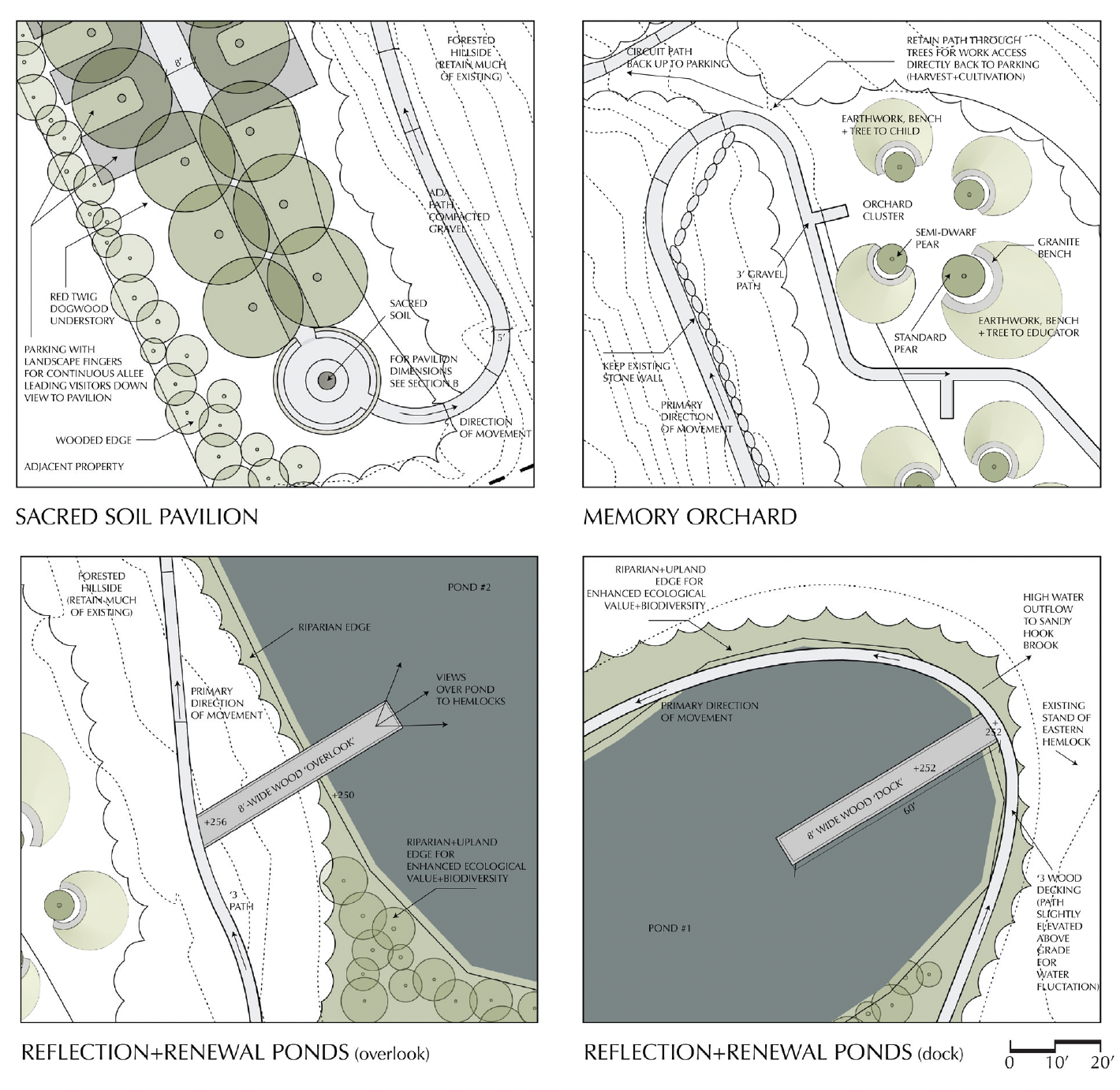
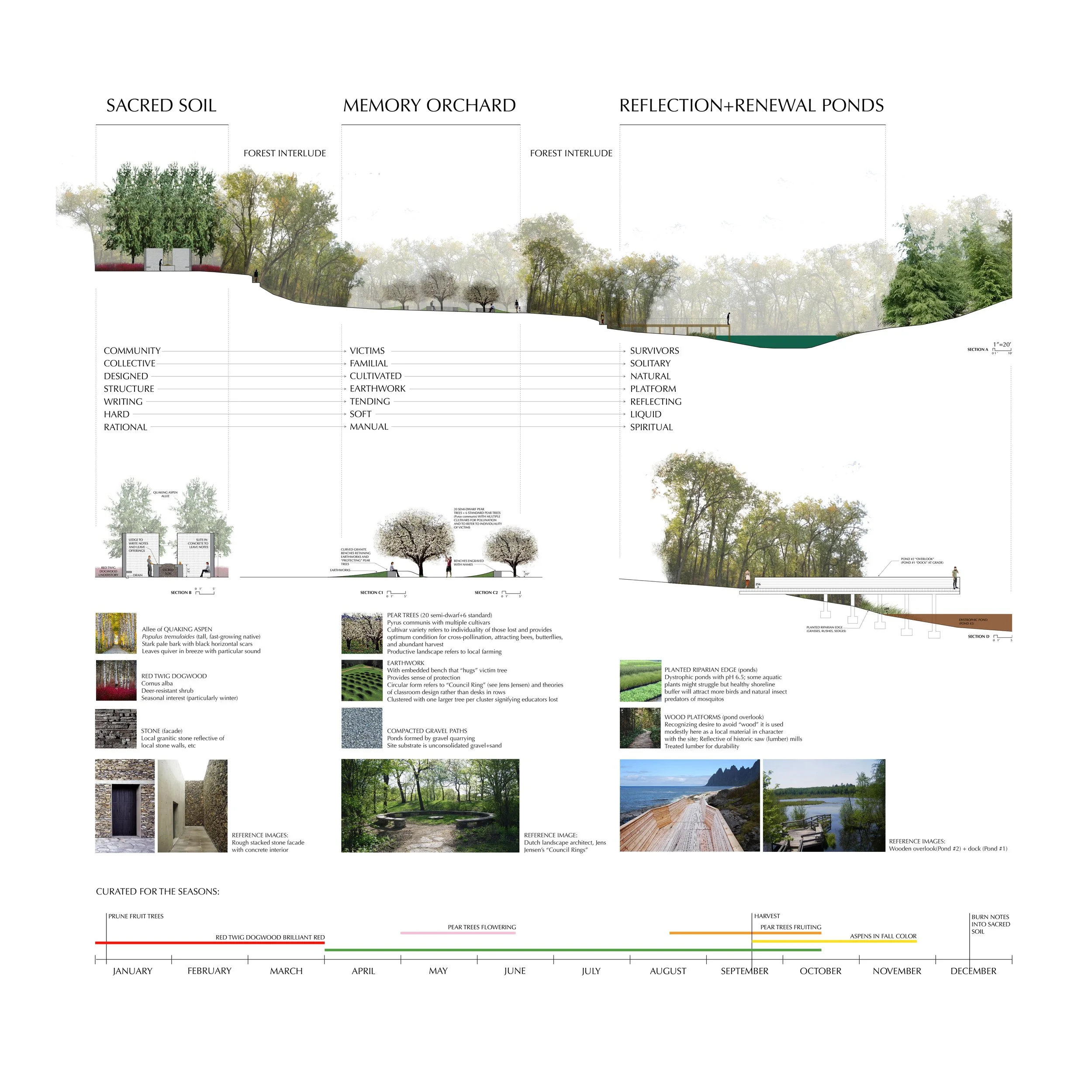
The procession begins with Sacred Soil, a space dedicated to the community. An allée of Quaking Aspen (Populus tremuloides) extends from the entry drive to a cylindrical pavilion containing the “Sacred Soil,” created from the outpouring of commemorative gifts following the tragedy (integrating this “Sacred Soil” was part of the competition brief). Responding to the competition’s call for “silence,” quaking aspens were selected for the gentle sound of their leaves, their trembling form, and their scarred bark—qualities that evoke both vulnerability and resilience. Narrow slits in the pavilion walls invite visitors to deposit written reflections and hopes, which could be ceremonially burned each year and incorporated into the vessel of sacred soil, establishing an ongoing ritual of collective renewal. A continuous interior bench provides space for gathering, contemplation, and shared remembrance. While entry is broad and civic, the pavilion’s compressed exit creates a threshold into the existing woodland and begins a gradual transition toward the more intimate landscape of the Memory Orchard.
The Memory Orchard, dedicated to the victims, is composed of gently sculpted landforms embracing twenty semi-dwarf and six standard pear trees (Pyrus communis), honoring the children and educators who were lost. Organized into six groves, the varied cultivars acknowledge the individuality of each life while supporting pollination, habitat creation, and seasonal productivity. Curving granite benches engraved with individual names retain each earthwork, creating protected spaces for families and loved ones. The orchard is conceived as a living memorial whose ongoing cultivation—through pruning, harvesting, and seasonal care—becomes an act of remembrance. Blossoms, fruit, and winter branch structure create an evolving landscape that celebrates both memory and regeneration while reinforcing the enduring relationship between ecological stewardship and collective healing.
The memorial procession concludes at the Reflection + Renewal Ponds, dedicated to the survivors. Rather than replacing the site’s existing ecological character, the proposal works with it, preserving the former gravel ponds while enhancing their habitat value and contemplative qualities. Elevated overlooks and waterside platforms create opportunities for quiet reflection within an increasingly natural landscape. The progression from the architectural enclosure of Sacred Soil, through the cultivated ecology of the Memory Orchard, and finally into the restored landscape of the ponds reflects an intentional shift from designed form toward ecological process. The looping circulation reconnects visitors with the larger landscape, completing a journey that fosters remembrance, resilience, and renewal while demonstrating how ecological restoration and memorial design can become mutually reinforcing.