GARDEN AS GARMENT
With foreground design agency
Experiments with planting on felt system with Grant Calderwood (American Academy in Rome)
Published in: International Journal of Interior Architecture and Spatial Design, issue theme: Corporeal Complexities
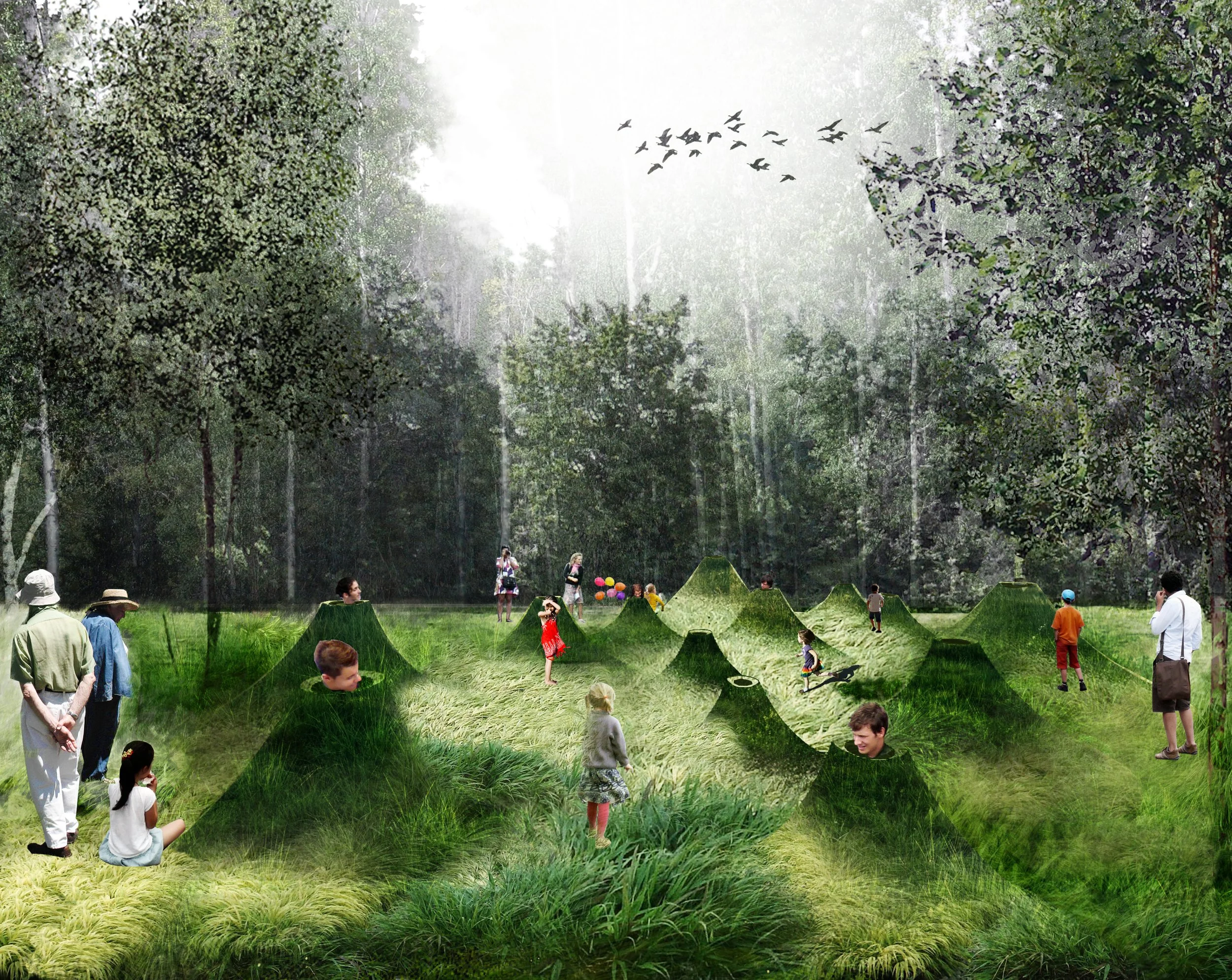
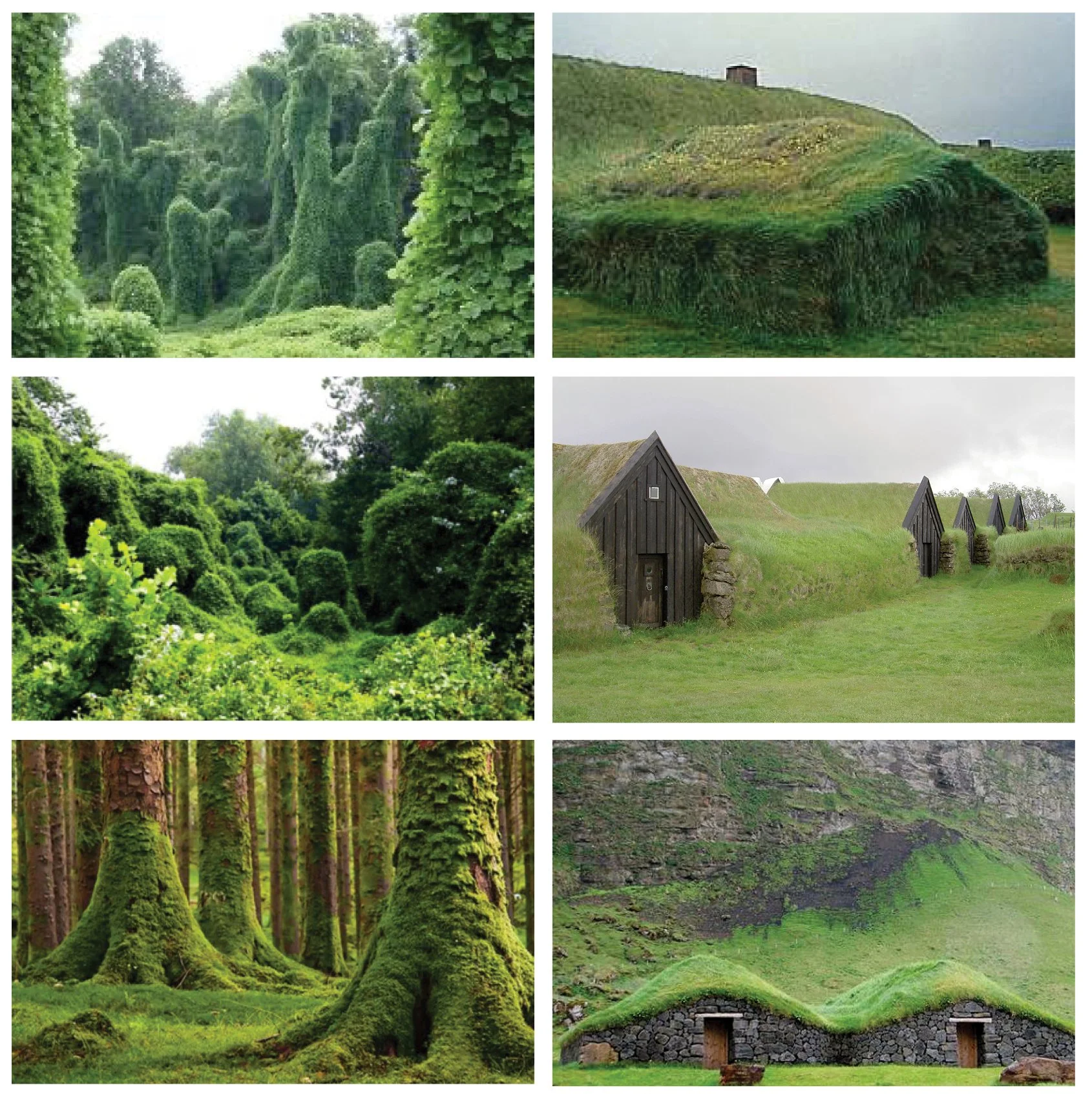
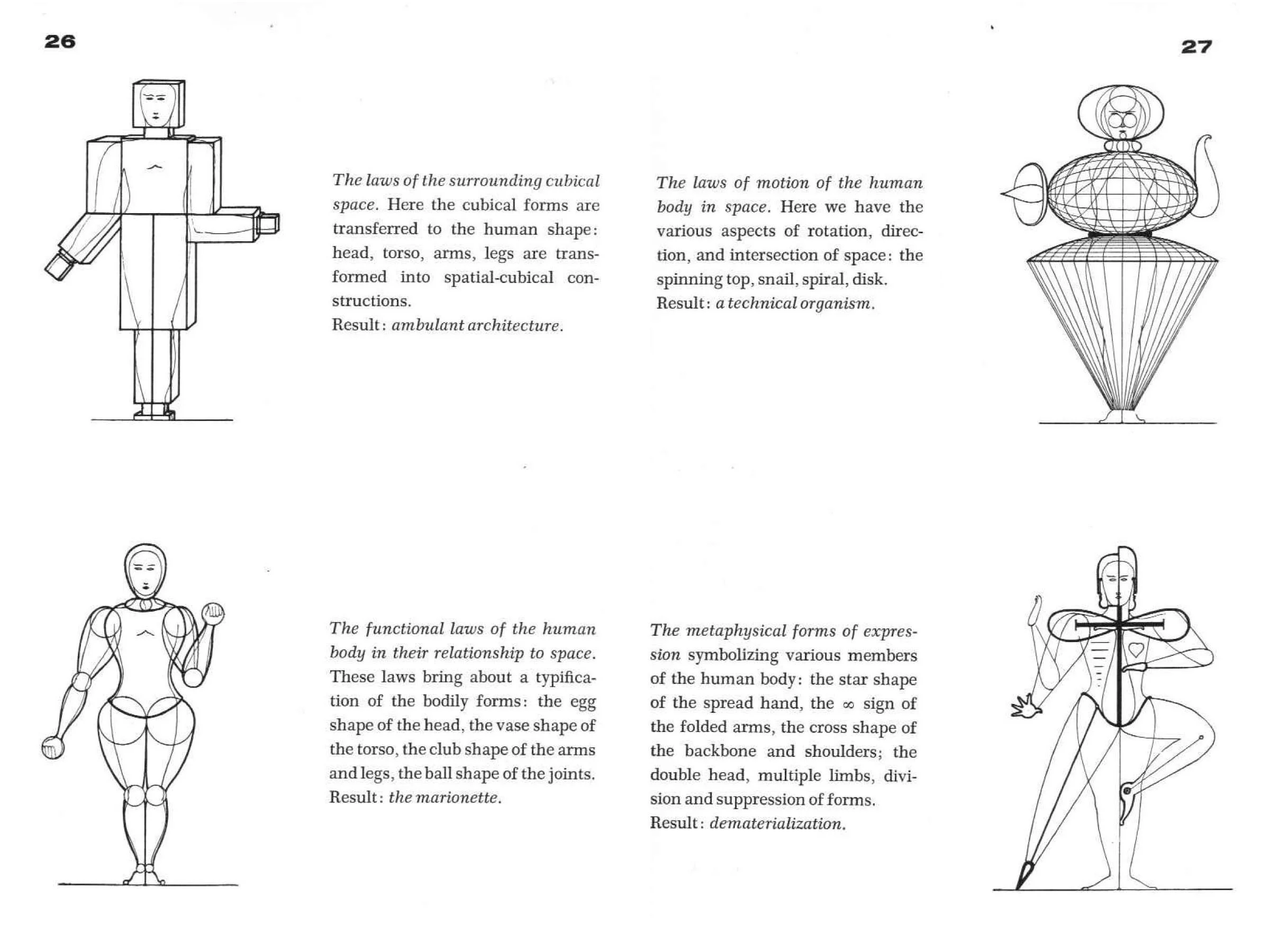
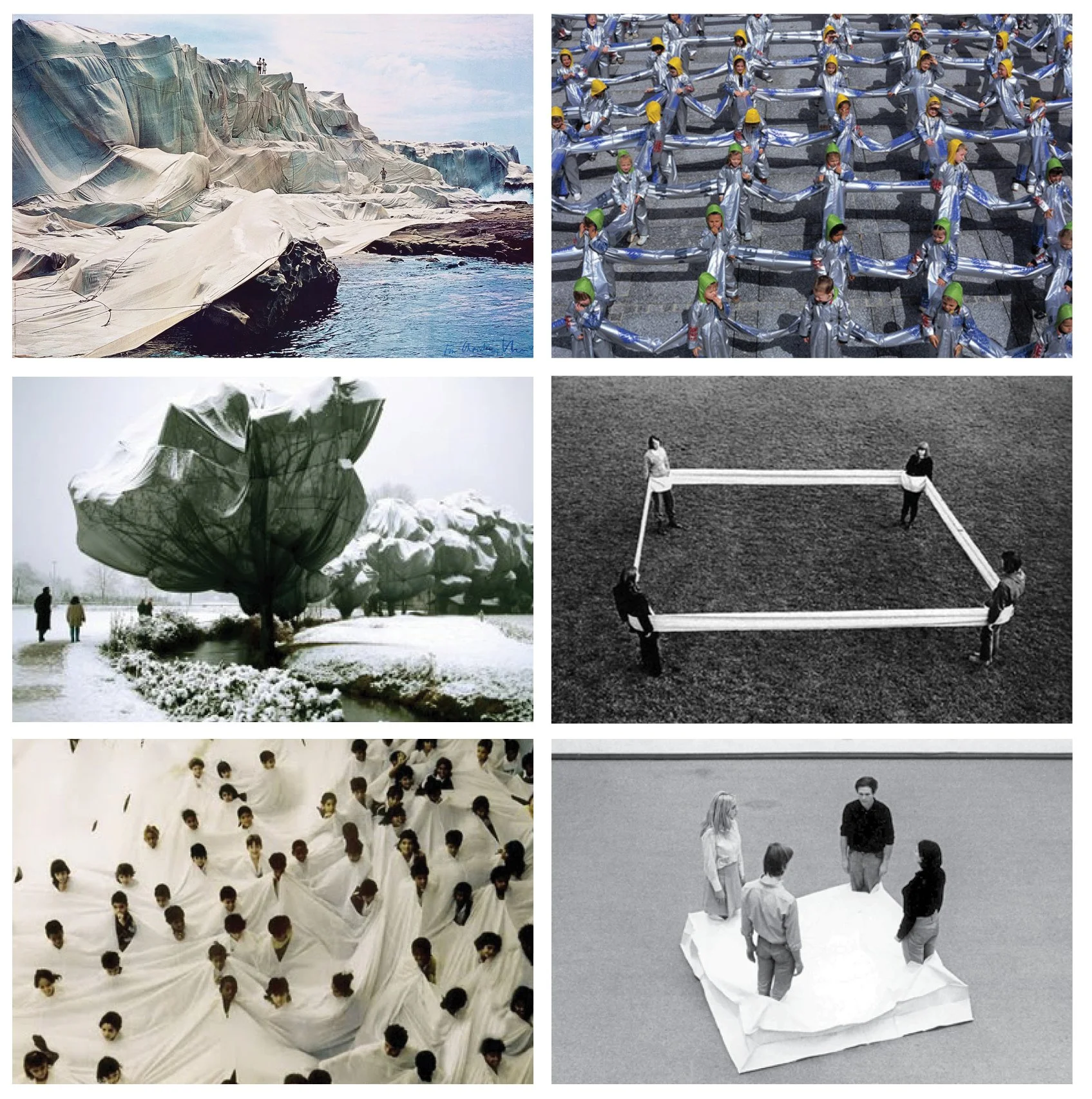
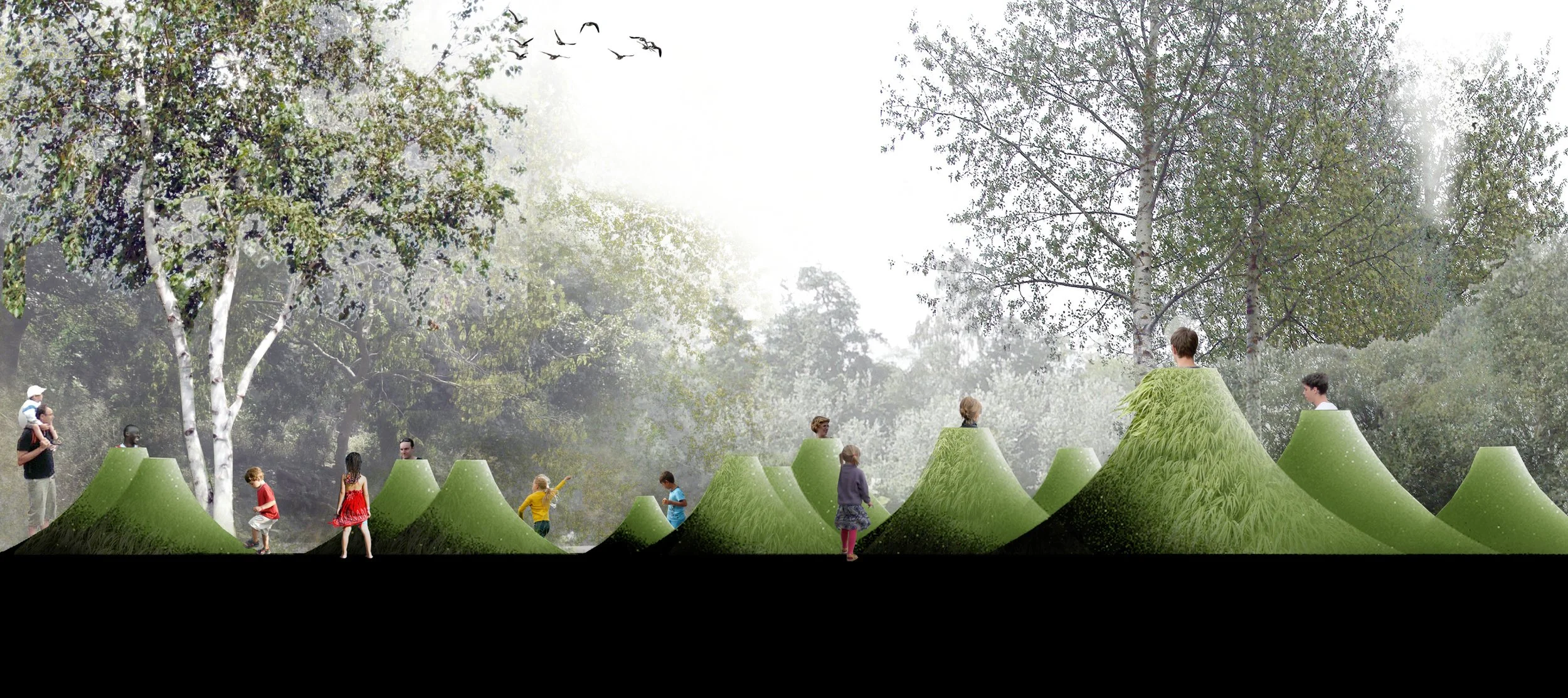
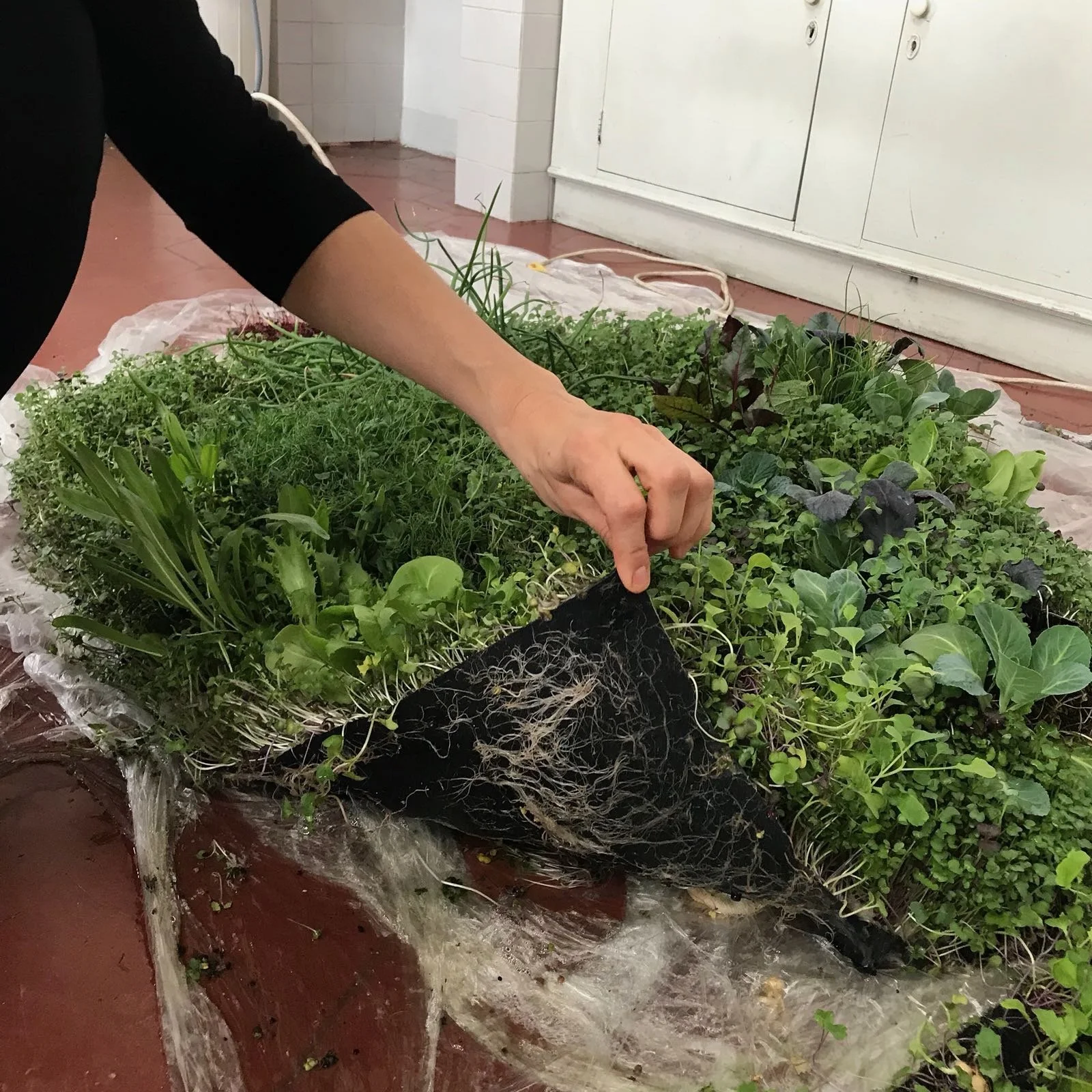
This design introduces a fully immersive garden - one that likewise engulfs or cloaks the visitor - providing a seamless vegetative blanket that both insulates and unifies. By becoming fully engulfed in the garden visitors relinquish control and become part of their habitational field rather than separate from it. Responding to the performance art lineage, clothing oneself in the garden becomes part of the engagement process, as does the collective act of wearing this common cloak, creating a new topography based on shared experience.
This design introduces a fully immersive garden - one that likewise engulfs or cloaks the visitor - providing a seamless vegetative blanket that both insulates and unifies. By allowing ourselves to be fully engulfed in the garden, we release control and become part of our habitational field rather than separate from it. Responding to the performance art lineage, clothing oneself in the garden becomes part of the engagement process, as does the collective act of wearing this common cloak, creating a new topography based on shared experience.
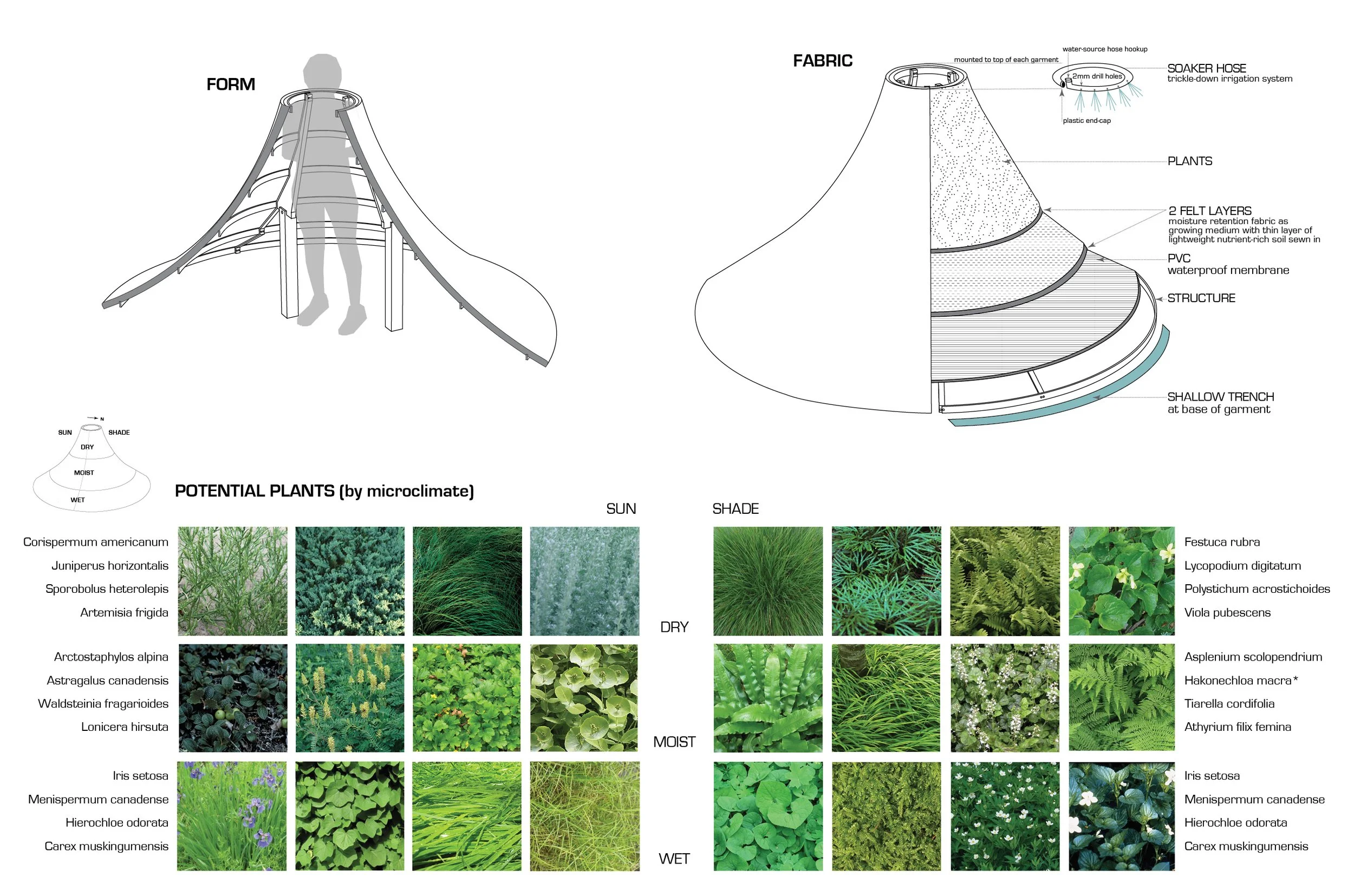
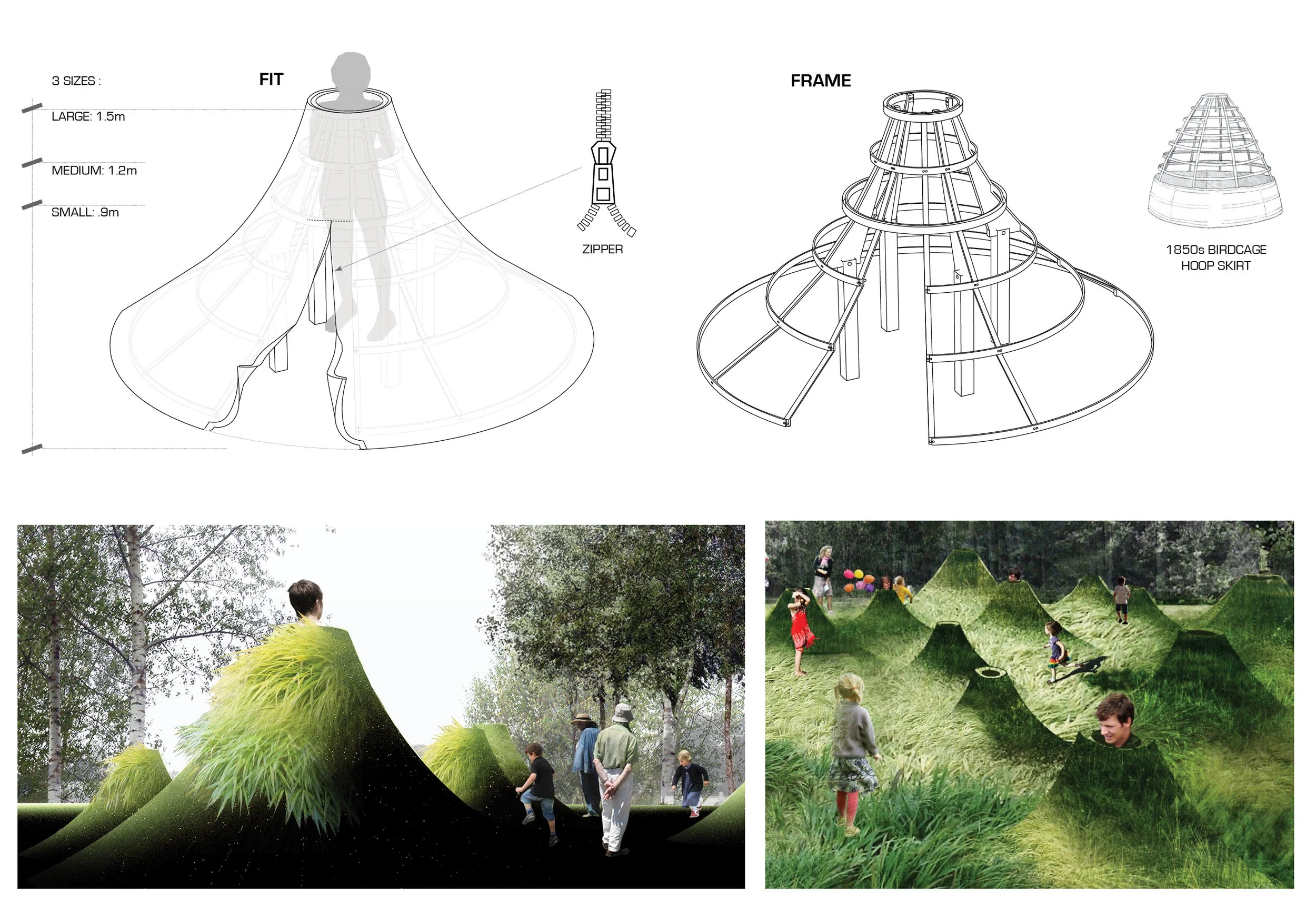
The garment is stitched from moisture-retention felt used in fabric-based green wall technology. Between two layers of felt, a thin amount of lightweight nutrient-rich soil is sewn in for thermal mass and to ensure the plants thrive. Though this felt system has been used prolifically to create vertical gardens throughout the world, its potential for garmenting the body has yet to be explored. Here, frames – provided in three sizes for optimal and close fit – create the garden’s vertical dimension.
The plant palette is specific to the garden’s setting in Hardiness Zone 4 (yet can be adapted to any zone) and the microclimates created by the vertical elements, such as differences in sun exposure and moisture retention. These microclimatic demands required specific plant selection to ensure the cloak thickens with growth over time with some species establishing themselves more vigorously while others recede.
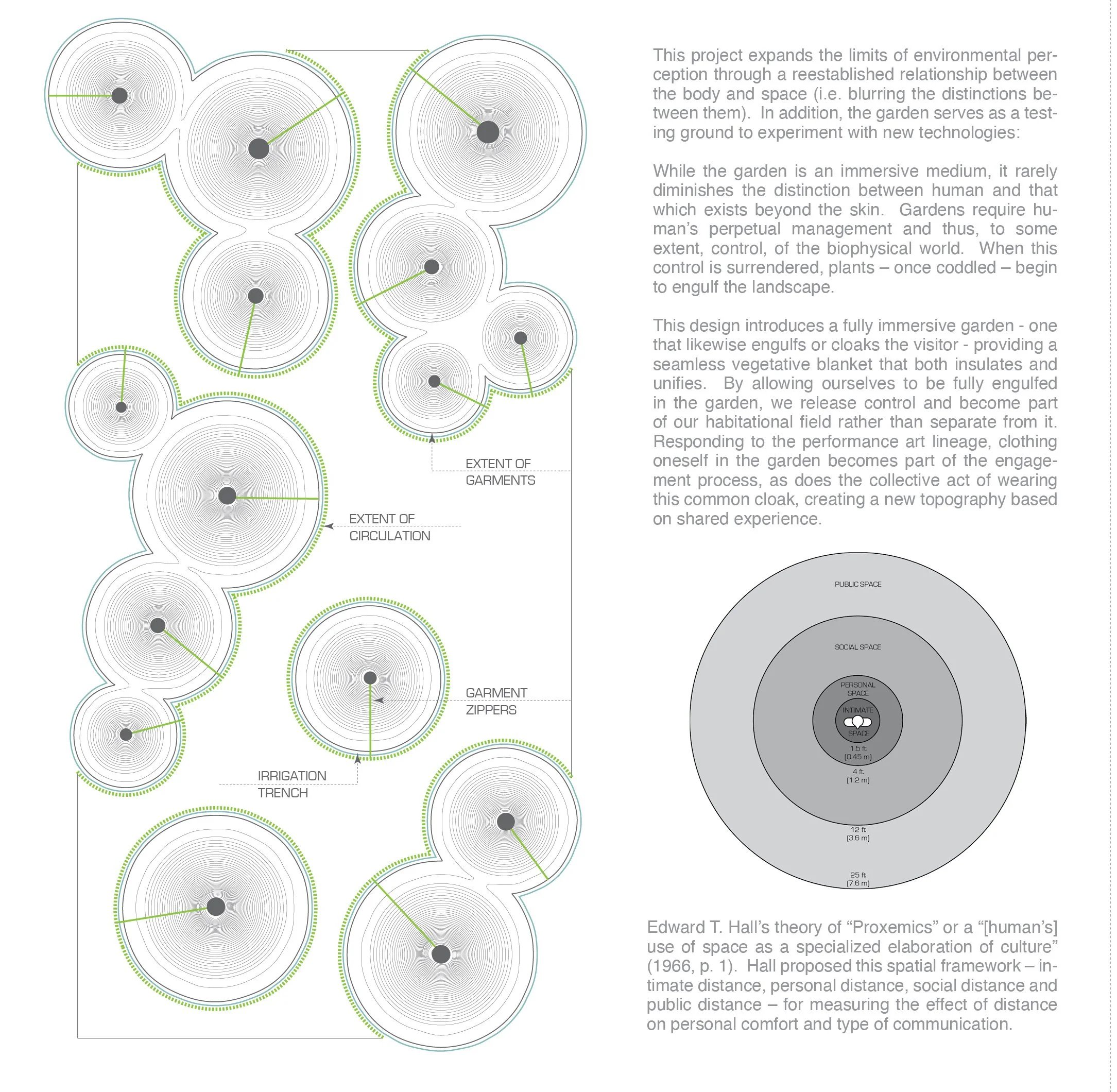
By clustering the garments in different proximities, the garden creates strange moments of social awareness and intimacy that shift as visitors clothe themselves in different arrangements. Meanwhile, when not wearing the garden cloak, visitors may participate kinesthetically in this new social order and shifting horizon, further enhancing the dynamic and contingent relationships between the body and space.