ON PHANTOM SHORES: A BLACK TOWN RISING FROM THE BOTTOMLANDS OF TULARE LAKE
Watt Hall Lower Rosendin, USC
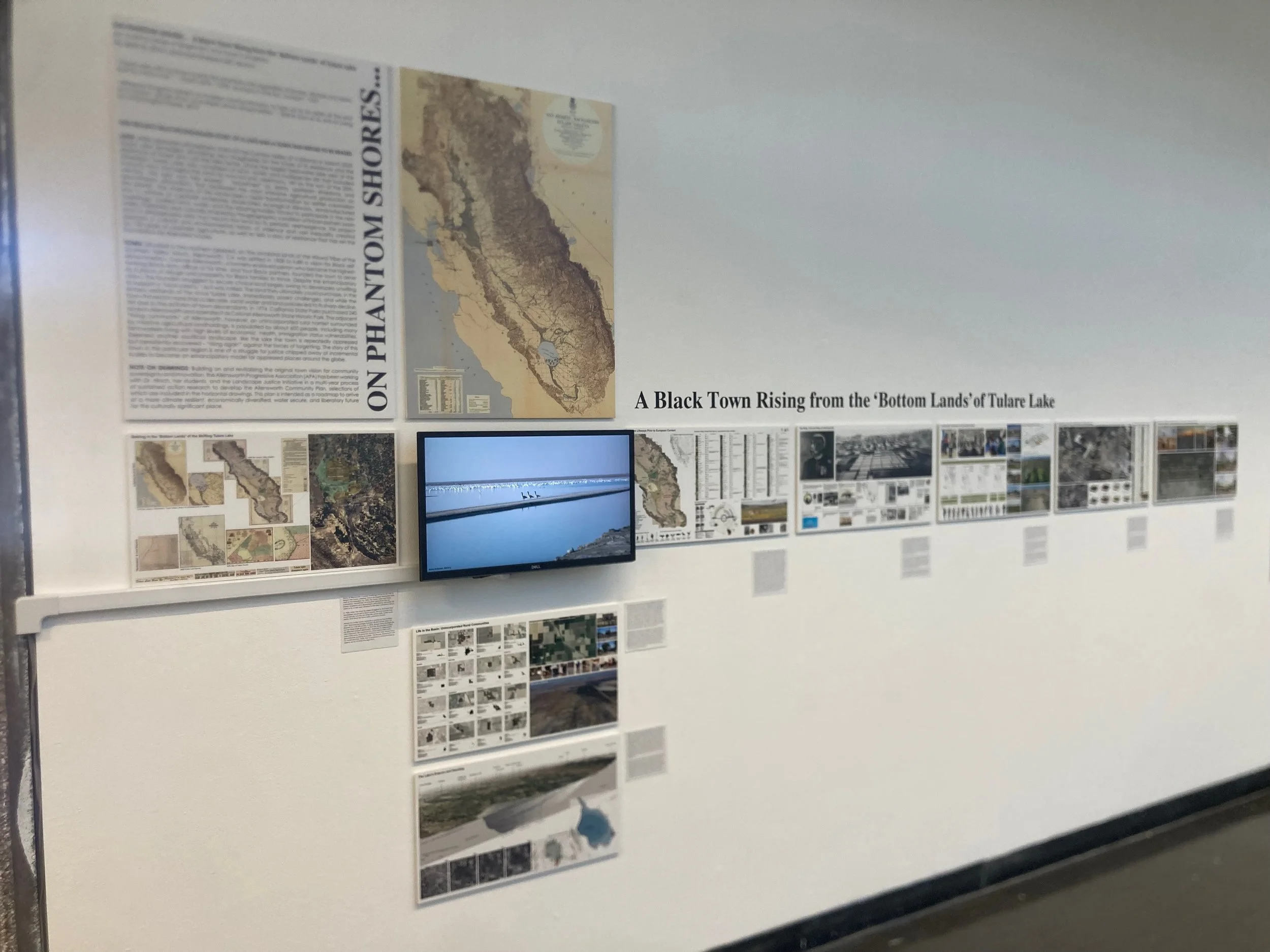
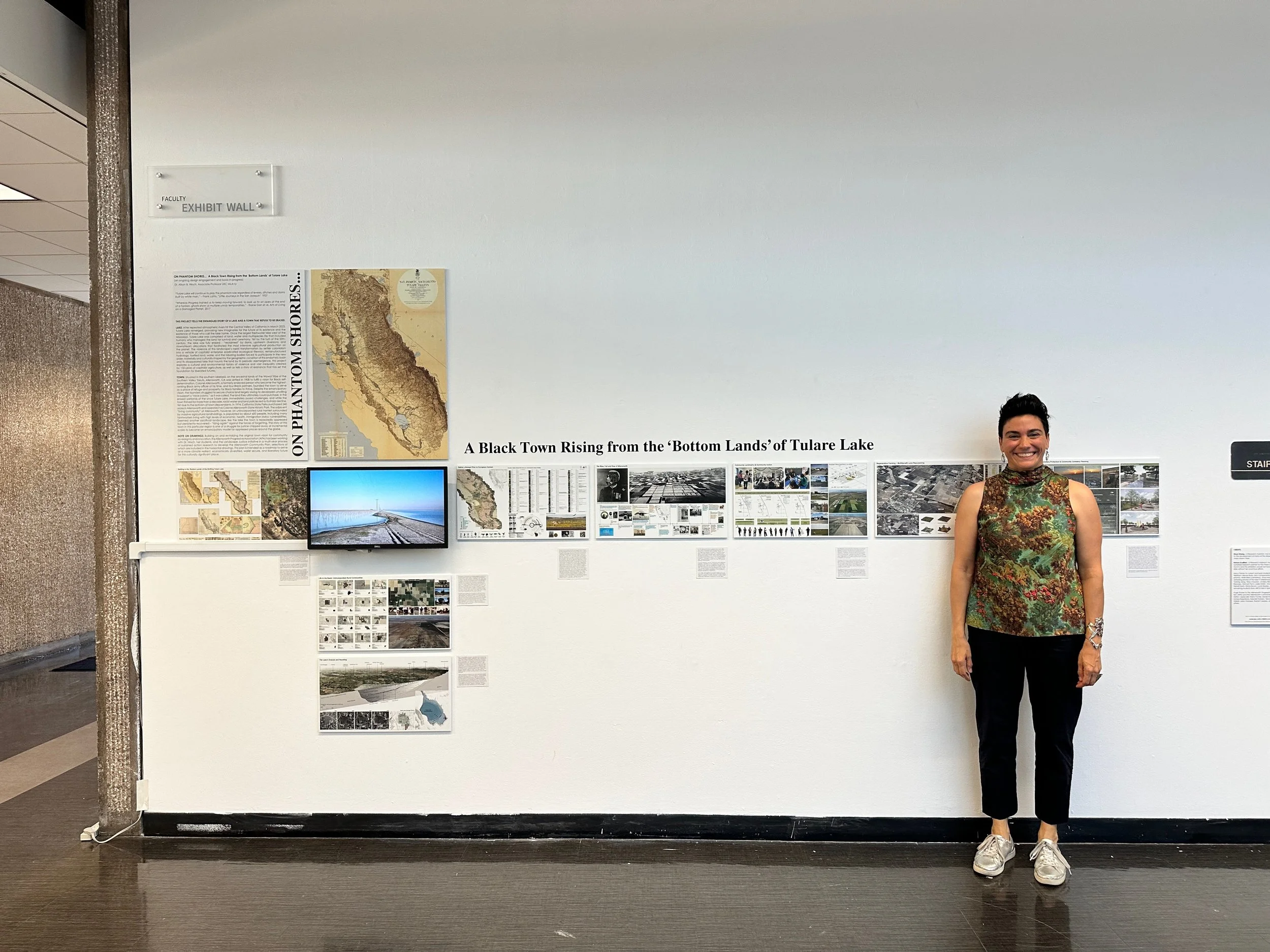
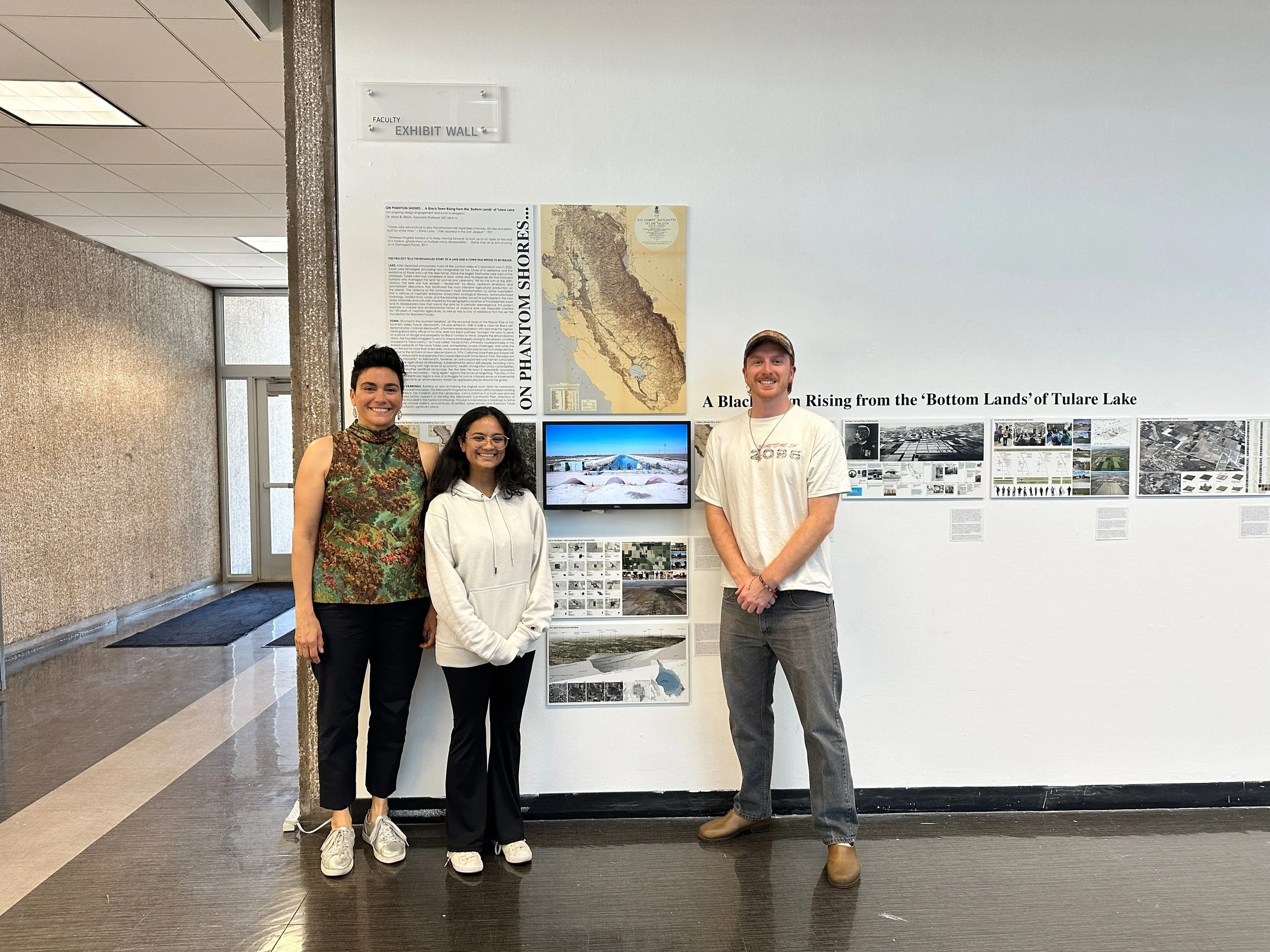
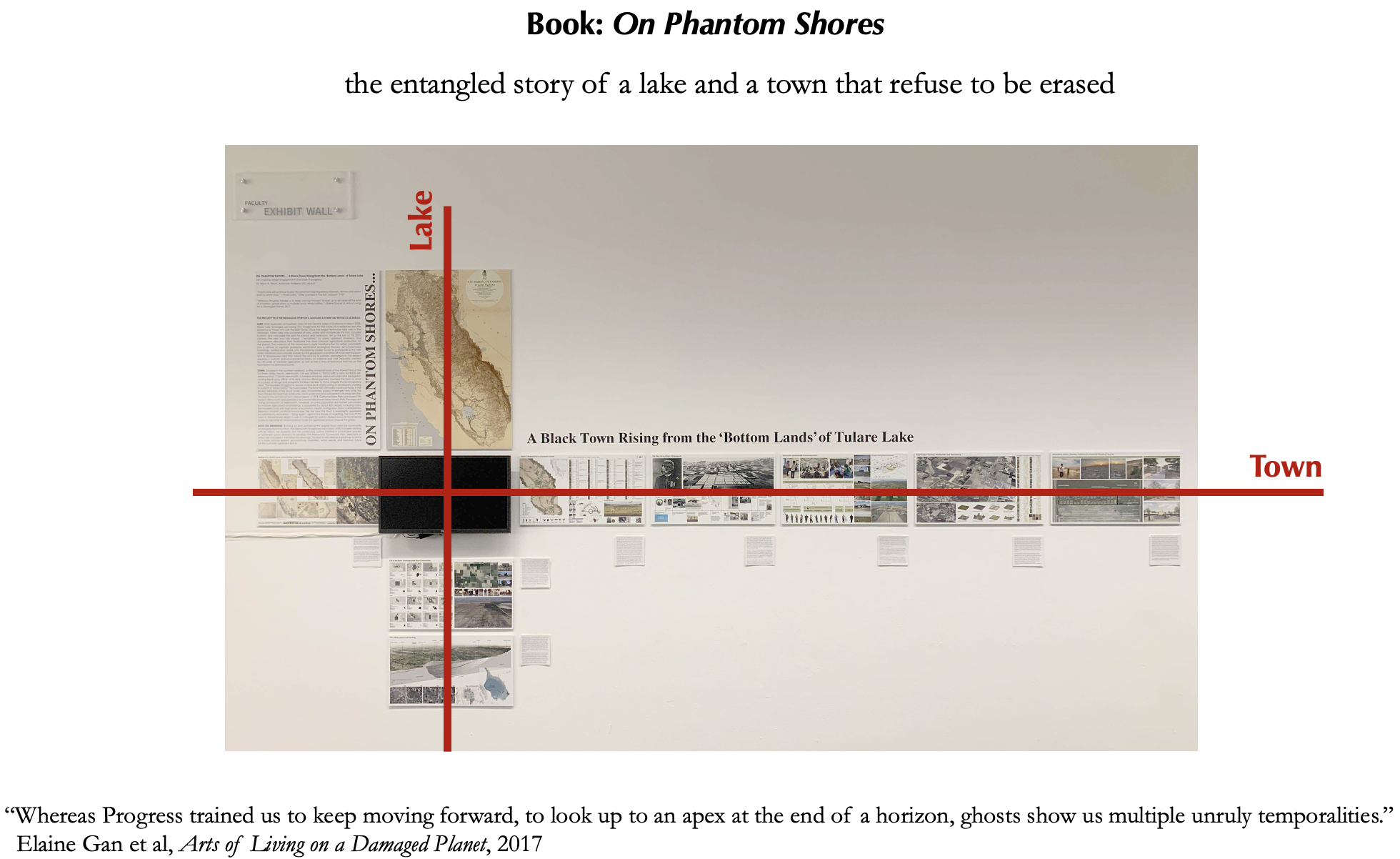
This project tells the entangled story of a lake and a town that refuse to be erased.
LAKE: After repeated atmospheric rivers hit the Central Valley of California in March 2023, Tulare Lake remerged, provoking new imaginaries for the future of its existence and the existence of those who call the lake home. Once the largest freshwater lake west of the Mississippi, the basin was comprised of land, water and multispecies life that included humans who managed the land for survival and ceremony, but by the turn of the 20th-century, the lake was fully erased - “reclaimed” by dams, upstream diversions and downstream allocations that facilitated the most intensive agricultural production on the planet. The violence of this landscape’s rapid transformation by settler colonialism into a vehicle of capitalist enterprise eradicated ecological lifeways, remanufactured hydrology, toxified land, water, and the laboring bodies forced to participate in the new order. Materially and culturally shaped by the geographic condition of this endorheic basin and its disappeared lake that haunts the land by its periodic reemergence, this project explores a cultural and environmental history of violence and vast inequality created by 150-years of capitalist agriculture, as well as tells a story of resistance that has set the foundation for liberated futures.
TOWN: Situated in the southern lakebed, on the ancestral lands of the Wowol Tribe of the Southern Valley Yokuts, Allensworth, CA was settled in 1908 to fulfill a vision for Black self-determination. Colonel Allensworth, a formerly enslaved person who became the highest-ranking Black army officer of his time, and four Black partners, founded the town to serve as a place of refuge and prosperity for Black families to thrive. Despite the emancipatory vision, the founders struggled to secure choice land largely owing to developers unwilling to support a “race colony,” as it was called. The land they ultimately could purchase, in the erased wetlands of the once Tulare Lake, immediately posed challenges, and while the town thrived for more than a decade, racist water and land policies led to a sharp demise. Yet due to the activism of town descendants, in 1974, California State Parks purchased 240 acres in Allensworth and operates it as Colonel Allensworth State Historic Park. The adjacent “living community” of Allensworth, however, an unincorporated rural hamlet surrounded by massive agricultural landholdings, is populated by about 600 people, including many farmworkers living with high levels of economic, health, immigration status vulnerabilities. Deemed another sacrificial landscape, like the lake, the town is repeatedly oppressed but persistently recovered – “rising again” against the forces of forgetting. The story of this town in this particular region is one of a struggle for justice chipped away at incremental scales to become an emancipatory model for oppressed places around the globe.